Posts

Showing posts with the label #AgileScrum

Scrum Agile Ceremonies

Image
  The  Initiate phase  is the first and crucial step in the Scrum framework, as outlined by SCRUMstudy. This phase sets the foundation for a successful project by defining the project vision, identifying stakeholders, and establishing the initial high-level requirements. Key activities include creating the Project Vision Statement, identifying and assembling the Scrum team, and preparing the initial backlog. A  Scrum project  often goes through a number of phases. Five phases, composed of nineteen processes, are suggested in  A Guide to the Scrum Body of Knowledge  ( SBOK™ ). Regardless of the Scrum project, it needs to start somewhere—this is known as the Initiate phase. The Initiate phase includes six processes that address the specific activities and flow of a Scrum project. It is important to note that the processes are not necessarily performed sequentially or separately. At times, it may be more appropriate to combine some processes, depending on...

Role of a Chief Scrum Master

Image
  Large projects require multiple Scrum Teams to work in parallel. Information gathered from one team may need to be appropriately communicated to other teams—the Chief Scrum Master is responsible for this activity. The role of a  Chief Scrum Master  is necessary to ensure proper collaboration among the Scrum Teams. Coordination across various Scrum Teams working on a project is typically done through the Scrum of Scrums (SoS) Meeting. There is no hierarchy between the Scrum Masters: they are all peers. The Chief Scrum Master just works on a multi-team level, whereas the Scrum Masters work on a single team level. Coordination across various Scrum Teams working on a project is typically done through the Scrum of Scrums (SoS) Meeting. This is analogous to the Daily Standup Meeting and is facilitated by the Chief Scrum Master. The Chief Scrum Master is typically the individual responsible for addressing impediments that impact more than one Scrum Team. Typically, any inter-t...

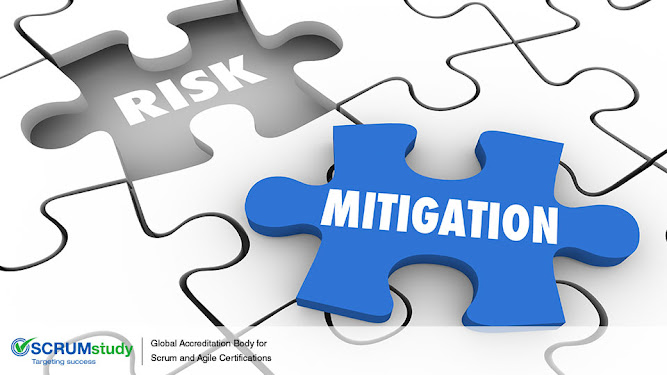
Risk Mitigation in Scrum

Image
  Scrum is a light-weight framework for project management which is used for complex product development in volatile market conditions. With high competition, companies have to develop products fast and innovatively always adding value and greater customer satisfaction. Quick decision-making and prioritization help mitigate risks in a project. The constant flow of new information changes requirements which Scrum is tailored to handle well and risks are turned into valuable deliverables. The Product Owner starts the Scrum cycle with identifying requirements of the client through a Business Stakeholder Meeting. It is up to the Product Owner to clearly outline the customer needs and place them in a Prioritized Product Backlog. Here risk plays a crucial role as it becomes essential to determine high risk elements and place them high in the backlog. The sooner these elements are identified and dealt with in early Sprints the better for the success of the project as the possibility of mi...

Creating an Effective Study Schedule for Scrum Certification

Image
  Embarking on the journey to earn a Scrum certification can be a transformative step in your career, especially if you are aiming to excel in agile project management. However, navigating the vast amount of information and the intricacies of Scrum principles can be overwhelming. The key to success lies in creating an effective study schedule that not only covers all essential topics but also fits seamlessly into your daily routine. In this guide, we'll explore how to craft a study schedule that maximizes your efficiency and prepares you thoroughly for your Scrum certification . Understanding Scrum and the Certification Process Before diving into the study schedule, it's crucial to understand what Scrum is and the certification options available. Scrum is an agile framework that helps teams work together to develop, deliver, and sustain complex products.  Step-by-Step Guide to Creating Your Study Schedule 1. Assess Your Current Knowledge Level Start by assessing your current u...