Posts

Showing posts with the label #ScrumTraining

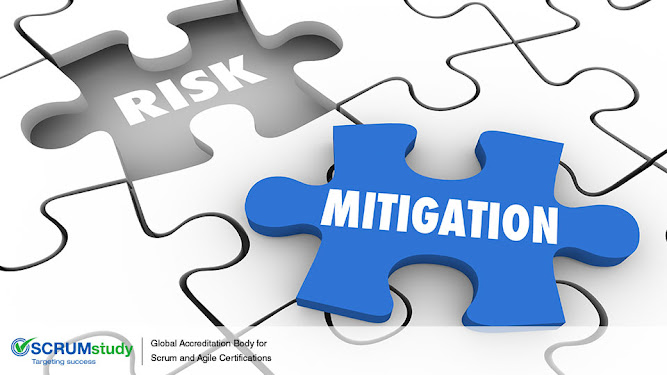
Risk Mitigation in Scrum
Image
  Scrum is a light-weight framework for project management which is used for complex product development in volatile market conditions. With high competition, companies have to develop products fast and innovatively always adding value and greater customer satisfaction. Quick decision-making and prioritization help mitigate risks in a project. The constant flow of new information changes requirements which Scrum is tailored to handle well and risks are turned into valuable deliverables. The Product Owner starts the Scrum cycle with identifying requirements of the client through a Business Stakeholder Meeting. It is up to the Product Owner to clearly outline the customer needs and place them in a Prioritized Product Backlog. Here risk plays a crucial role as it becomes essential to determine high risk elements and place them high in the backlog. The sooner these elements are identified and dealt with in early Sprints the better for the success of the project as the possibility of mi...

Creating an Effective Study Schedule for Scrum Certification

Image
  Embarking on the journey to earn a Scrum certification can be a transformative step in your career, especially if you are aiming to excel in agile project management. However, navigating the vast amount of information and the intricacies of Scrum principles can be overwhelming. The key to success lies in creating an effective study schedule that not only covers all essential topics but also fits seamlessly into your daily routine. In this guide, we'll explore how to craft a study schedule that maximizes your efficiency and prepares you thoroughly for your Scrum certification . Understanding Scrum and the Certification Process Before diving into the study schedule, it's crucial to understand what Scrum is and the certification options available. Scrum is an agile framework that helps teams work together to develop, deliver, and sustain complex products.  Step-by-Step Guide to Creating Your Study Schedule 1. Assess Your Current Knowledge Level Start by assessing your current u...